
When having a ground-type tiling project and you have a grassy compound, you may be wondering how to lay outdoor tiles over grass.
The process of converting an outdoor area into a usable and aesthetically pleasing area often involves the use of tiles on grass in an outdoor area which is an artistic way of integrating the beauty of the natural environment with the practical need for well-designed surfaces.
Installing outdoor tiles over grass is perhaps one of the best ways of adding a new dimension to your backyard, patio, or any garden area that you fancy as it offers a perfect platform for recreation and play.
For this project to be durable and aesthetically pleasing, the preparation, material choice, and installation methods should be well harmonized. If you want to make a wonderful path, have an impressive relaxation zone, or make a nice pattern on the grass, laying tiles requires a certain preparation.
Well, in this post, we will be discussing how to install outdoor tiles over grass and guide you through the entire process of creating your paradise where the hard-wearing tiles meet the lush grass feel underneath your feet.
The Concept of Laying Outdoor Tiles over Grass
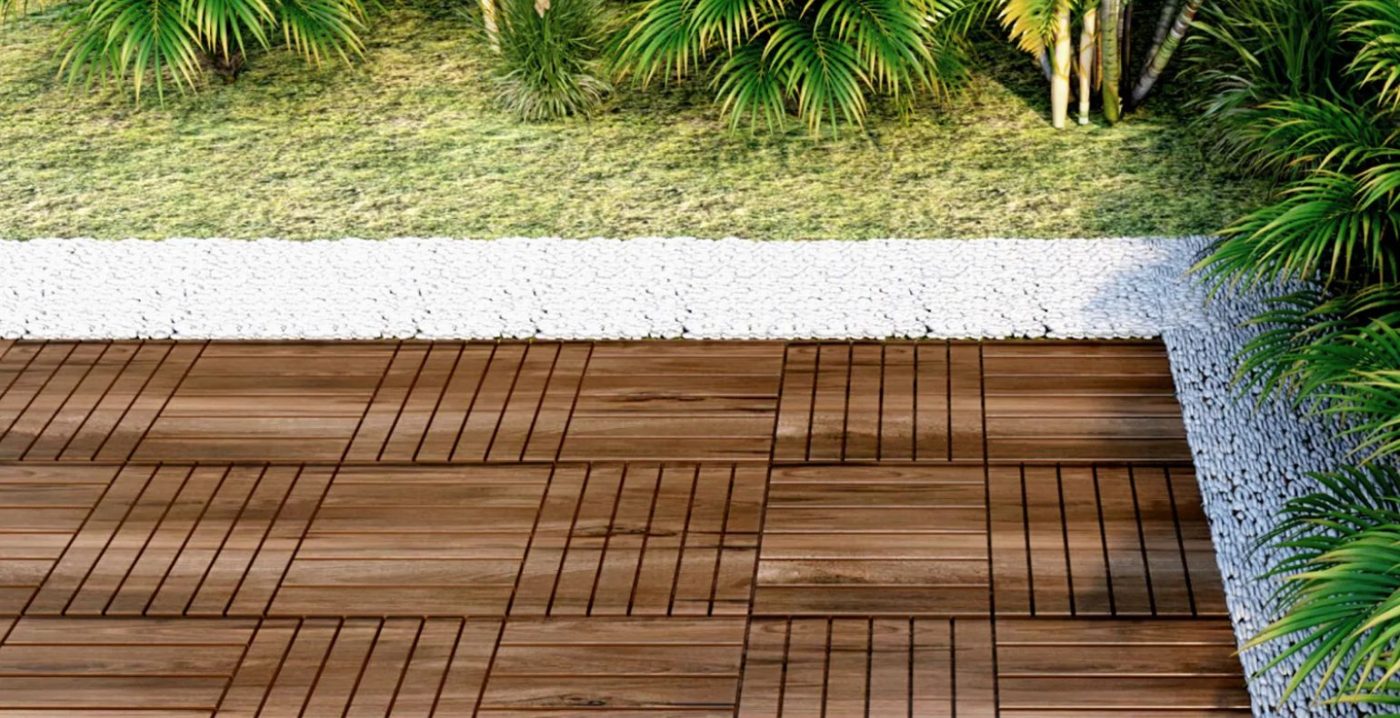
Laying patio tiles on grass is becoming a popular method of enhancing the look of your patio area. It not only enhances the usability of the space, but it can also double as an attractive landscape for your backyard or garden. Laying tiles on grass can also enhance the appearance of your landscape greatly.

The method of installation of patio tiles is comparatively easy. It involves first removing the grass from the area and then creating a bed and placing the tile. First, you will have to decide on the type of tile you wish to use and make sure that this type of tile is appropriate for use outdoors.
To install outdoor tiles over grass, first, you have to clear the ground by removing any lawn there. Lawn and remove all the roots and weeds with the help of a shovel or spade. When this stage is done, you can proceed with the creation of your base layer. For the best results, it is recommended to paint on a leveled surface like sand or gravel.
Once you have established your first layer, you may proceed with the laying of your tiles. Starting by placing tiles at the perimeter of the installation area is the best way to proceed with the project. Always ensure that you place small spacers between each tile to ensure that they stay where you want them. After all the tiles have been laid, begin applying the grout using mortar or cement to hold the tiles together.
10 Steps to Lay Outdoor Tiles over Grass
Step 1: Plan and design
The outside tiled area should be properly planned and mapped out before engaging in the job. For instance, is the space intended to be a patio, a pathway, or a mere decorative? As with any design, you should also think about how the particular space fits into your overall design for the outdoors. Think about the size and form of the area that is to be tiled together with the position of this area about the other territories.
Step 2: Select the right Tiles
The choice of appropriate tiles is crucial for the project outcomes. Choose outdoor tiles that can bear harsh weather, extreme temperature changes, and equally wet conditions.

Porcelain, ceramic, and natural wood tiles can be used due to their durability and sturdiness. Also, it is important to use tiles with a rough surface so that one cannot slip especially during the wet season.
Step 3: Clean the area
Before laying any outdoor tiles over grass, there is always preparation to be made on the area of the grassy land. Take out all the remaining grass, weeds, or rubbish that may be found in the allocated area. This not only prepares the floor for tile installation but also helps avoid any obstacles that could be underneath the tiles.
Step 4: Make a solid base
Lay a strong base for the outside tiles to be able to have some kind of support. The process starts by applying a layer of well-compacted gravel or crushed stone over the space to be paved. This base layer offers support and adequate drainage which is very important for tiles depending on the weather conditions.
Step 5: Add a weed barrier
Once the base layer is ready, lay a piece of weed barrier fabric over the gravel. This technique is important to ensure that there are no chances for weeds to grow between the tiles in the future. The barrier cloth serves to prevent unwanted plants from growing on the tiled area while still maintaining its aesthetics and practicality.
Step 6: Lay the tiles
Start laying the tiles in one corner of the floor and move from left to right across the room. Try to use tile spacers as a way of making sure that the gaps between the tiles are uniform. This not only ensures that your plan remains on course, but it also ensures that water is well drained.
Step 7: Cut the tiles as needed
Sometimes, you have to bring the tiles to the edges or corners of the area; in this case, you will have to cut the tiles. It is important to make clean cuts and this must be done with a wet saw or tile cutter as per your design idea. To be safe while cutting tiles, make sure you wear goggles and gloves.
Step 8: Fill the joints
Once all the tiles are laid, apply outdoor-grade grout to the joints between the tiles. Follow the instructions to prepare the grout, and spread it with a rubber float. The next procedure requires that the grout be pressed into the joints to make sure they are well-filled.
Step 9: Clean the tiles
When the grout has started to set, which usually takes about 15- 20 minutes, use a damp cloth to remove the excess grout from the tile surface. To prevent grout from staining the tiles clean the sponge as often as possible to get a neat and shiny-looking surface.
Step 10: Seal the tiles
After a few days when the grout has set in properly, apply the correct sealer to the tiles. Sealer act as a shield that prevents moisture from coming into contact with your tiles hence increasing its durability. There are general guidelines from the manufacturers that involve applying the sealer uniformly on the surface and also allowing it to dry.
Conclusion
It is possible to place the outdoor tiles over grass, but it needs a lot of practice and tools. With accurate measurements, proper tools and materials, and a few moments when placing each tile, it is possible to complete the work successfully. This way, you do not rush through the individual steps of the procedure, and you achieve the best-looking and most enduring result.
What are you waiting for now that you have known all that you need to know on how to lay outdoor tiles over grass? Go out and give it a shot! You may even come out as the most talented person in your neighborhood after mastering tile work. So, this job should be done accurately, that is why it is said to measure twice and cut once.
If you want to buy outdoor tiles, choose Woodspace. Acacia wood decking tiles are produced and exported by a Vietnamese company called Woodspace, which focuses on exporting wholesale orders to the USA, Europe, and Japan. These FSC-approved products consist of different designs of Acacia wood tiles and artificial grass deck tiles. Woodspace focuses on sustainability and quality of products, offering customers functional and attractive solutions for outdoor zones.
To learn more about us, you can visit our website or contact us via:
- Facebook: Woodspace Vietnam
- Instagram: woodspace.vn
- LinkedIn: Woodspace vn
- Google Maps: Woodspace – Outdoor Furniture
We look forward to the opportunity to work with you soon!